Same-day reports · routine tests on samples received before 12 noon[email protected]Sample submission
VETERINARY DIAGNOSTIC LABORATORY · PHILIPPINES

Swine and shrimp disease testing laboratory in the Philippines.

High Hope Vet runs qPCR and RT-qPCR testing for swine, shrimp, fish and poultry diseases across the Philippines, with same-day reports on routine tests received before 12 noon.

Serving Luzon and clients across the Philippines.

Same-day reports for routine tests received before 12 noonFree sample preservation tubes for every clientqPCR / RT-qPCR testing that follows WOAH manual standards for applicable tests
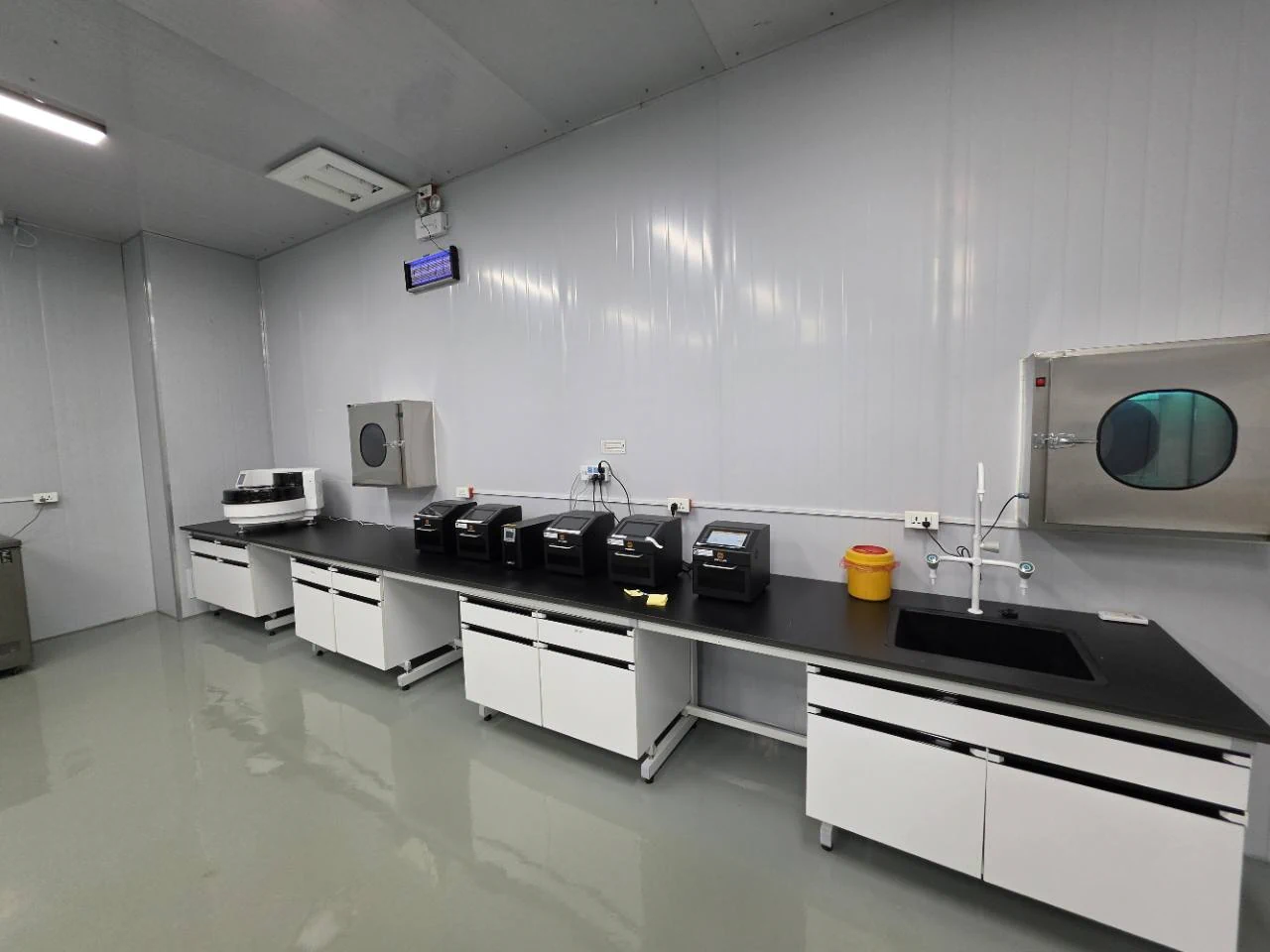
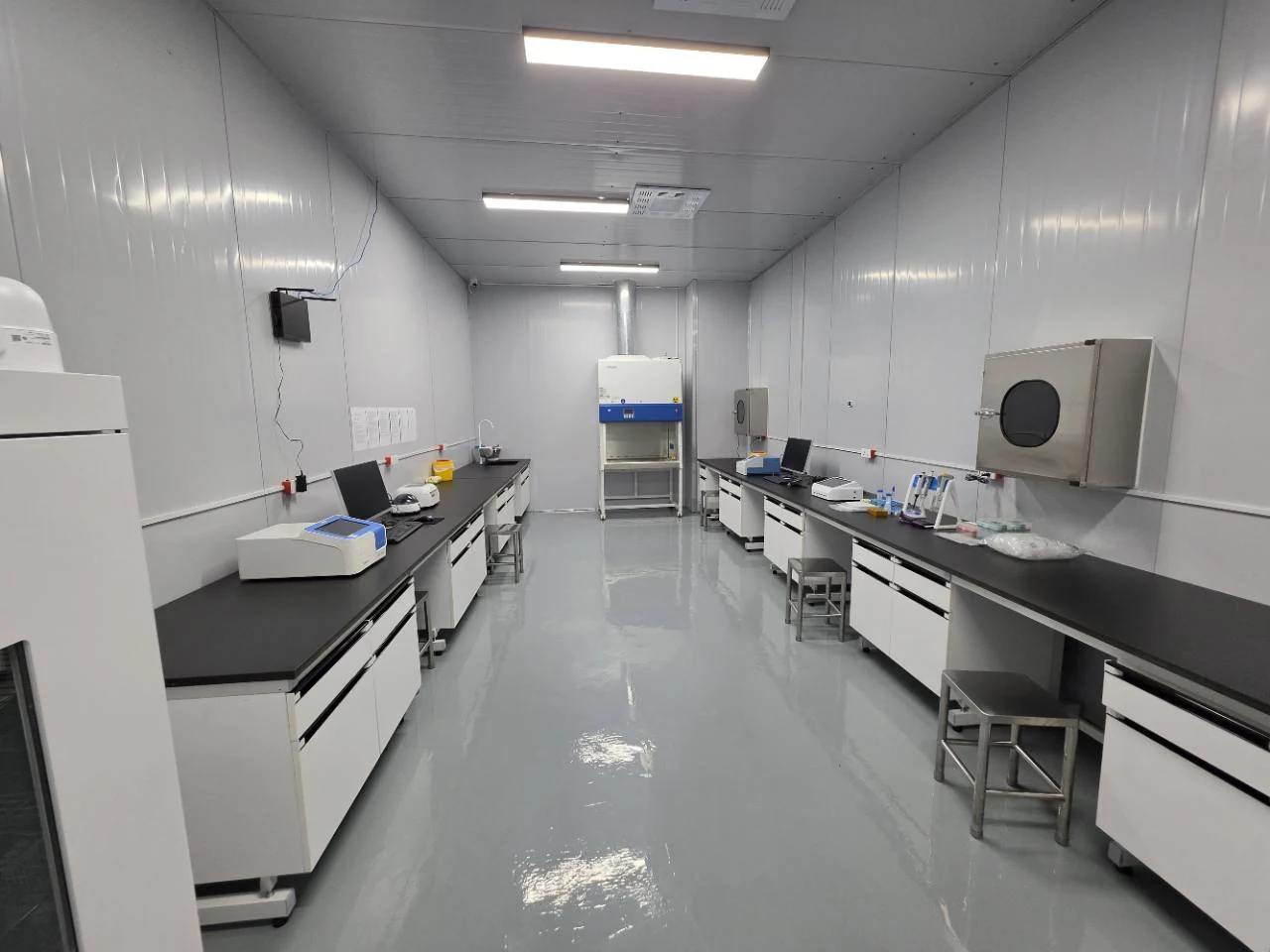
High Hope Vet laboratory with a central workbench and equipment along the walls
Inside High Hope VetA view across the laboratory
SWINE DISEASE TESTING

Swine disease testing

qPCR testing for African swine fever (ASF), PRRS, PED and other swine diseases, from pre-purchase screening through gilt entry, sow and piglet illness, and finisher assessments.

  • African swine fever (ASF) PCR, including gene-deleted strain and genotype I/II testing
  • PRRS PCR, including North American / European and quadruple strain differentiation
  • PED, TGE, rotavirus A and PDCoV enteric quadplex
  • Mycoplasma, APP, Glässer disease, S. suis and more
Swine testing and prices 24 listed services · ₱1,800–₱2,500 quotation price
SHRIMP DISEASE TESTING

Shrimp and aquatic disease testing

qPCR / RT-qPCR testing for shrimp, tilapia, grouper, seabass, milkfish, crab and prawn diseases, built around a shrimp seedstock panel for Philippine hatcheries and grow-out farms.

  • Shrimp seedstock panel: WSSV, AHPND (EMS investigation), EHP and IHHNV
  • Tilapia TiLV and streptococcal testing
  • Grouper, Asian seabass, milkfish, mud crab, prawn and koi panels
  • Same-day reports on routine aquatic tests
Shrimp disease testing 24 listed aquatic services, 11 for shrimp · ₱1,800–₱2,500 quotation price

All aquatic species and prices

TURNAROUND

Same-day reports on routine tests received before 12 noon.

Most routine swine and aquatic tests are reported the same day when samples reach the laboratory before 12 noon, so farm decisions are not delayed.

Before 12 noon

Routine samples received before 12 noon are reported the same day.

Free preservation tubes

Every client can use the laboratory's free sample preservation tubes. Aquatic tissue in these tubes stays usable at room temperature for 72 hours; material requirements for other species are confirmed before submission.

Special and add-on tests

Turnaround for additional typing, differentiation or other special tests is confirmed with the laboratory before you submit.

SHRIMP DISEASE TESTING

Shrimp disease testing in the Philippines

Hatchery and grow-out operators screen seedstock and investigate deaths with a four-test panel: WSSV, AHPND (EMS investigation), EHP and IHHNV.

  • Before shipping or stocking a seedstock batchWSSV + AHPND (EMS investigation) + EHP + IHHNV
  • Feed refusal or rising deaths, submit the same dayWSSV + AHPND, plus histopathology, bacterial testing and water quality. Add EHP for slow growth.
  • Slow growth or marked size differences in the pondEHP + IHHNV, reviewed with feed, growth and water quality records
Seedstock panel for whiteleg and black tiger shrimp
TestWhat it detectsWhy it matters
WSSVWhite spot syndrome virusA cause of sudden deaths. Test each seedstock batch and whenever deaths rise.
AHPNDAcute hepatopancreatic necrosis disease (EMS investigation)Tests for the Vibrio bacteria that cause AHPND, one cause of early mortality syndrome (EMS). AHPND explains some, but not all, EMS cases.
EHPEnterocytozoon hepatopenaeiA microsporidian parasite linked to slow growth and size differences within a pond.
IHHNVInfectious hypodermal and hematopoietic necrosis virusChecked together with EHP for slow growth. An initial positive is confirmed before it is acted on.

Shrimp

WSSV, AHPND (EMS), EHP and IHHNV for whiteleg and black tiger shrimp.

Tilapia

TiLV, Streptococcus agalactiae and S. iniae, with gill and skin parasite checks.

Grouper

Nervous necrosis virus (NNV), plus RSIV, ISKNV or SGIV when previously detected.

Asian seabass

NNV, Streptococcus iniae and scale drop disease virus (SDDV).

Milkfish

Bacterial identification, susceptibility testing and histopathology for bleeding, ulcers or deaths.

Mud crab

WSSV testing before arrival, since apparently healthy crabs can carry the virus.

Giant freshwater prawn

MrNV and XSV testing for white tail disease.

Common carp / koi

Koi herpesvirus (KHV) testing before introducing new fish.

SWINE DISEASE TESTING

Swine disease testing in the Philippines

Testing supports purchase decisions, gilt quarantine, sow and piglet illness, finisher assessments and contamination investigations, built around African swine fever (ASF) qPCR.

  • ASF gene-deleted strain triple-target detectionAdds deletion-associated characterisation (ASFV-ΔI177L/EP402R/MGF505-2R) to a routine ASF finding, selected using prior results, clinical history and vaccination background.
  • PRRS quadruple strain differentiationDifferentiates North American, highly pathogenic, NADC30-like and NADC34-like PRRSV strains in one submission.
  • PED/TGE/RoV-A/PDCoV quadplexChecks four causes of piglet diarrhoea, PEDV, TGEV, rotavirus A and PDCoV, from a single sample.
  • PCV2/PCV3 duplexChecks both circovirus types linked to poor growth and reproductive loss in one submission.
From the clinical sign to the panel
Clinical presentationTests to consider
Sudden poor appetite, fever or rising mortalityASF and classical swine fever. Add PRRS, influenza A and pleuropneumonia for respiratory distress.
Cough, difficult breathing or poor growthPRRS, influenza A, mycoplasmal pneumonia and pleuropneumonia. Add PCV2/PCV3 where relevant.
Diarrhoea, dehydration or bloody faecesPED, TGE, rotavirus A and PDCoV. Also ETEC, clostridial enteritis, proliferative enteropathy and swine dysentery.
Return to service, abortion, stillbirths or weak pigletsASF, PRRS, PPV, PRV, PCV2/PCV3, JEV, GETV and brucellosis. Also feed testing for the mycotoxin ZEN.
Lameness, swollen joints, nervous signs or blistersGlässer disease, S. suis and pseudorabies. Add FMD testing for blisters.
STANDARDS AND METHOD DEVELOPMENT

International standards and diagnostic expertise

For applicable tests, we follow the standards and recommendations in the World Organisation for Animal Health (WOAH) diagnostic manuals, with quality control throughout testing and result review.

In-house method and target development

Our understanding of disease mechanisms and veterinary diagnostics supports in-house method development and refinement of molecular detection targets. We assess specificity, sensitivity and suitability for the intended use.

WOAH codes and diagnostic manuals
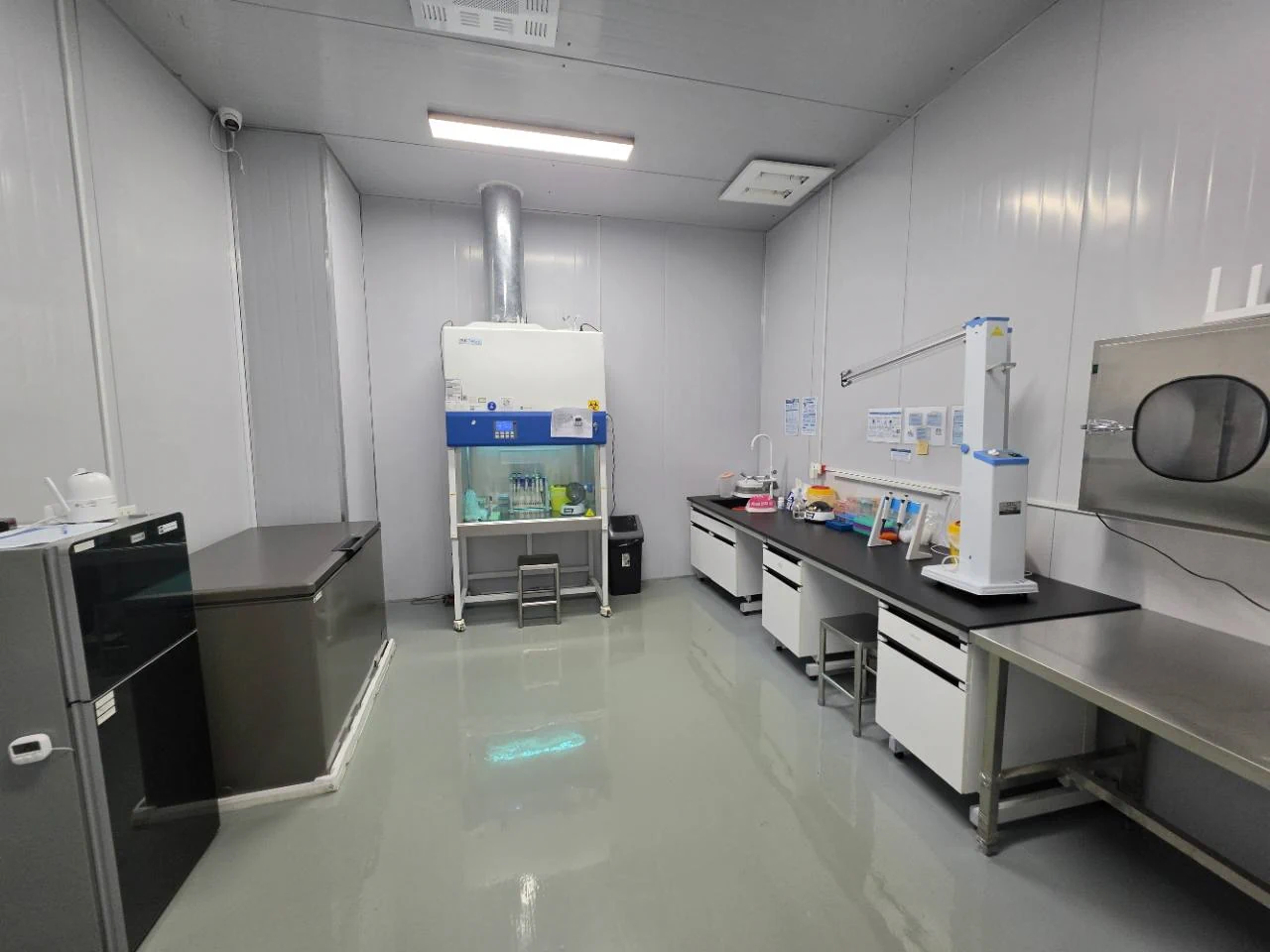
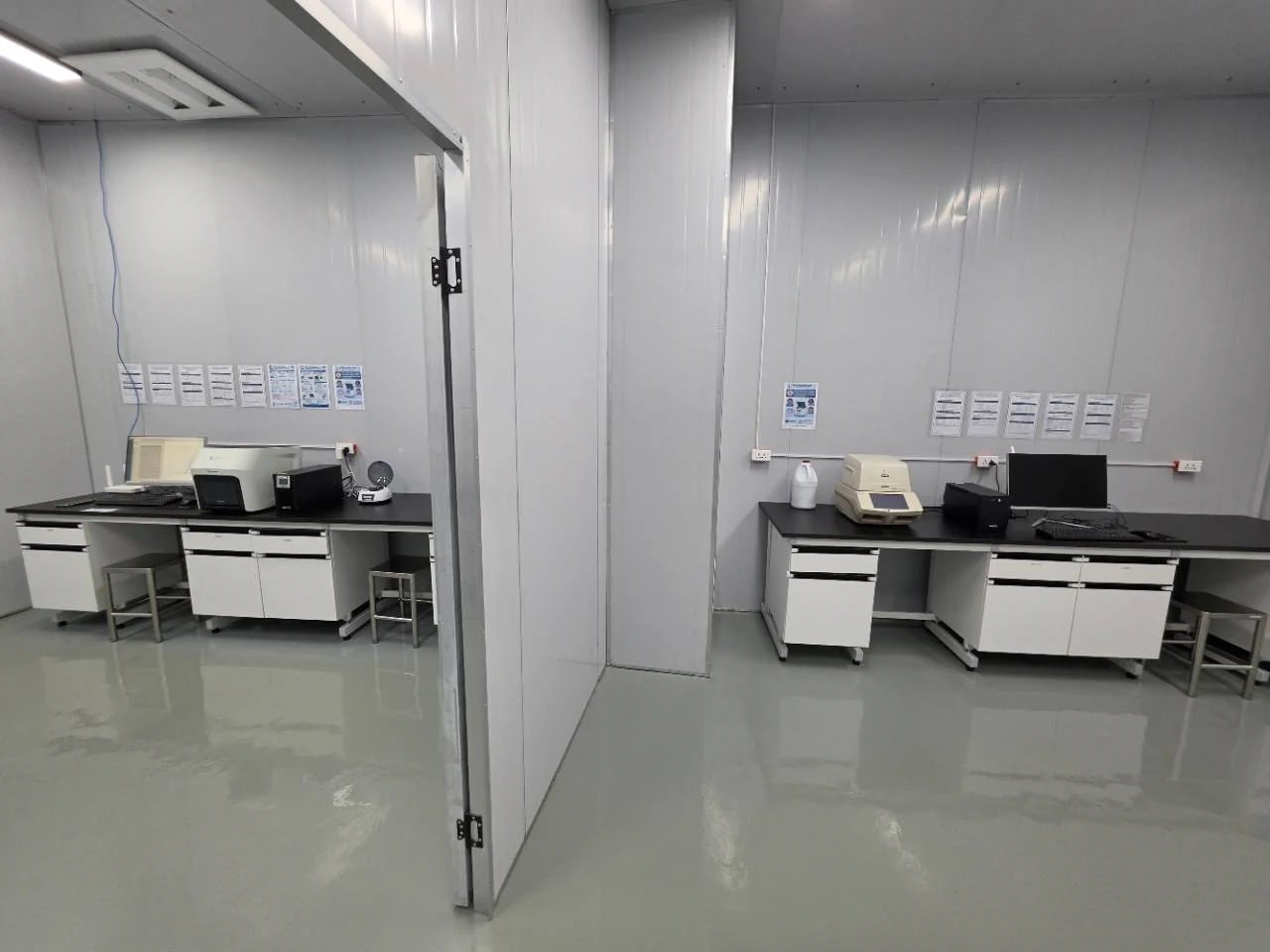
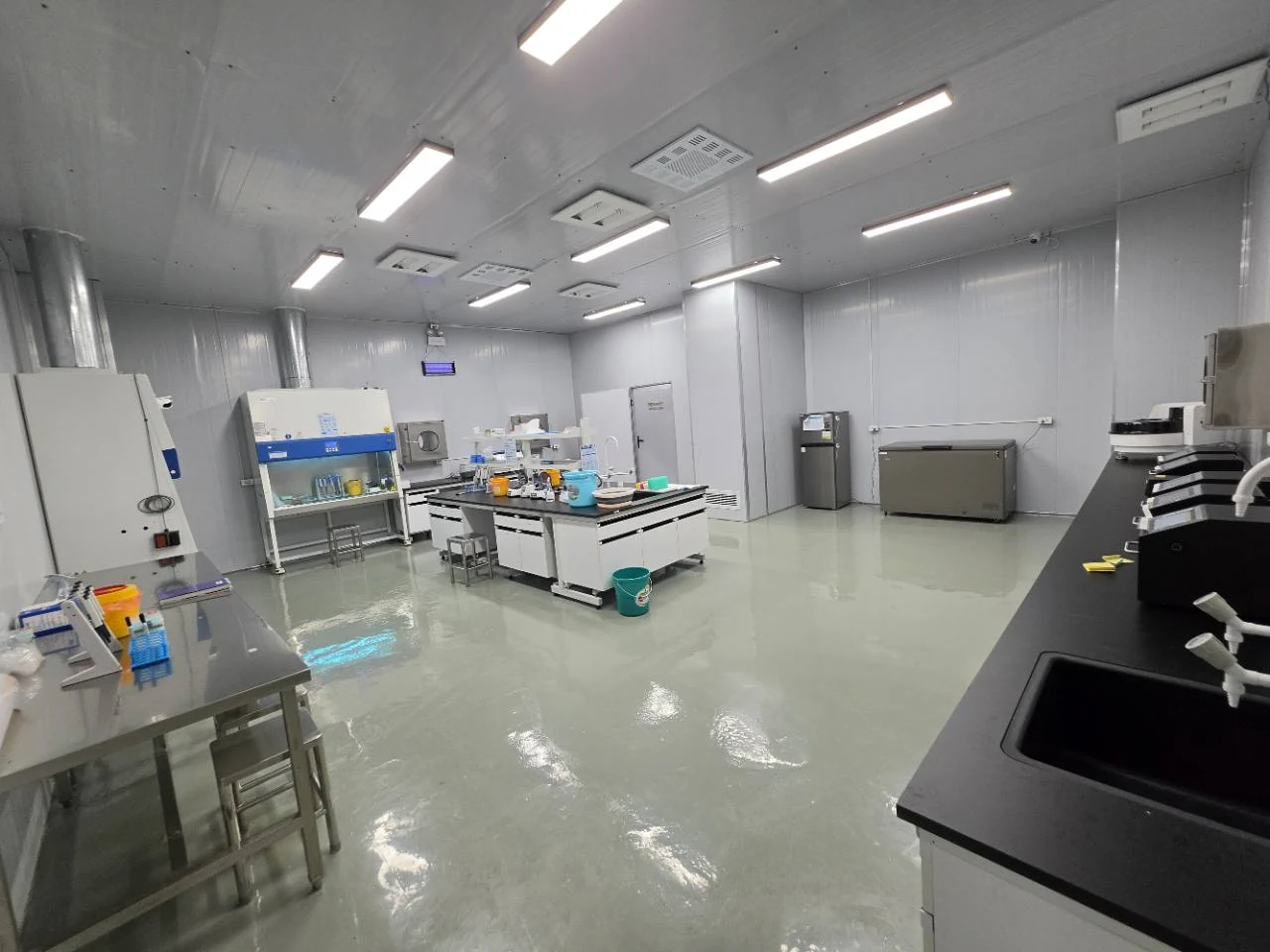
High Hope Vet laboratory interior with workbenches on both sides of a central aisle
Our laboratoryWorkbenches on both sides of the room

Laboratory services

Testing

Methods referenced to the WOAH manuals, QC and review built into the workflow — nothing is released before it passes review.

Progress and reports

Logged and barcoded on arrival, progress visible in the LIMS in real time, reports delivered online on sign-off.

Submission advice

Panels and sampling advice organised by clinical syndrome, spanning viruses, bacteria, mycoplasmas, parasites and mycotoxins.

MANAGEMENT AND R&D TEAM EXPERIENCE

Reagent development expertise behind our diagnostic services

Our management and R&D team brings experience across disease mechanisms, diagnostic principles, reagent development, manufacturing and quality control. We also help clients manage veterinary diagnostic laboratories and provide technical consultancy and support.

We apply this expertise to method assessment, quality control and result interpretation. Understanding the methods and managing their critical quality factors underpins our commitment to reliable results and responsibility for the data we report.

Pigs, chickens and fish in their respective farming environments
Diagnostic reagent R&D and manufacturing
8+ years
Diagnostic reagents independently developed to date
300+ products
Diagnostic reagents supplied to large enterprises annually
5 million+ units
Veterinary diagnostic laboratories we help clients manage
100+ laboratories

These figures reflect the management and R&D team's experience and track record in diagnostic reagents and laboratory support.

SAMPLE SUBMISSION

Sample submission

Confirm the test, specimen requirements and delivery details before dispatch.

Read submission guidance
BEFORE YOU SEND

Information to provide

Share the animal group, testing objective and your location. The laboratory will confirm the current receiving arrangements.

Download the full guide (Excel, Chinese)

Existing sampling reference; confirm current requirements directly with the laboratory.
WORKFLOW

Four steps from sample to report.

01

Collect

Collect per the requirements above and ship cold-chain to the lab.

02

Intake

Verified, barcoded and visible in the LIMS the same day.

03

Testing

qPCR to standard workflows, with QC and review gates.

04

Report

Reviewed, signed off, and available to download in the LIMS.

CONTACT

Ready to submit, or want to confirm a panel first?

High Hope Vet provides private veterinary diagnostic laboratory and veterinary support services for farms and clinical veterinarians.

Service quotation

94 services, with names, methods and prices.

Existing clients can log in to the LIMS to submit samples, track progress and download reports.

Reports support private screening and veterinary decisions; they are not government movement, export or regulatory certificates.